Why is Infertility So Common Today?
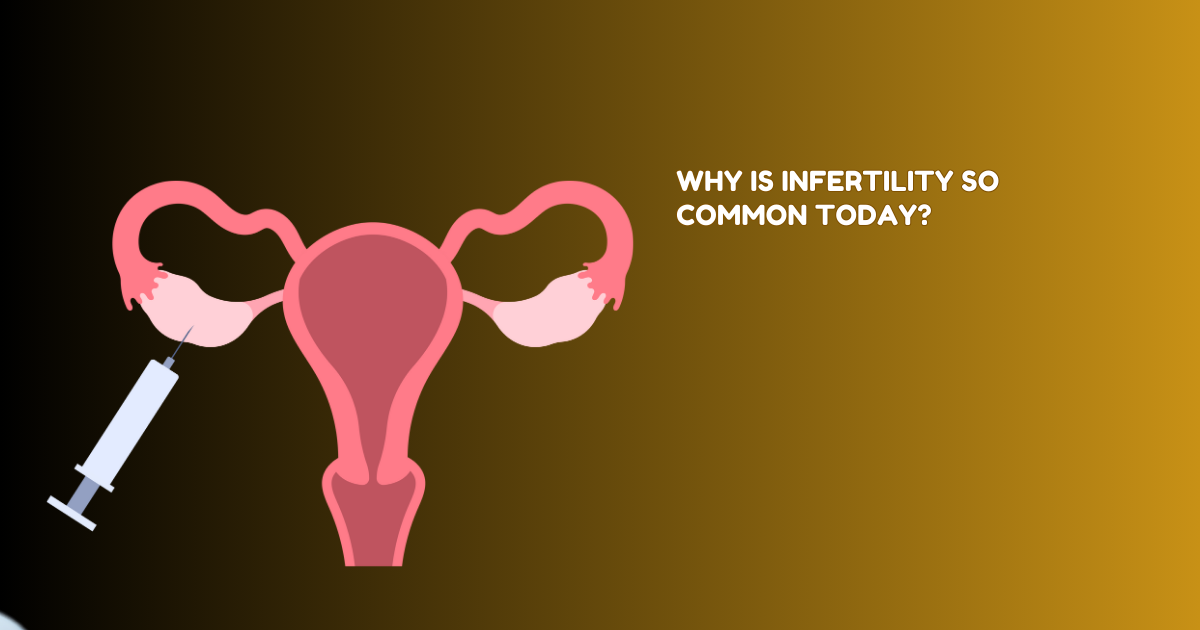
Infertility is a growing concern across the world, with many people struggling to conceive. While this issue has always existed, its prevalence seems to be rising in recent years. If you're wondering why infertility is so common today, you're not alone. With changing lifestyles, environmental factors, and medical advancements, the landscape of fertility has drastically evolved. But what exactly is causing this surge in infertility cases? Let’s dive deep into this topic, exploring the factors that contribute to infertility and what can be done to improve chances of conception.
Introduction: The Rise of Infertility
Infertility is no longer a topic limited to medical professionals; it is something that many people face in their daily lives. With the increase in infertility cases, many are left wondering why this is happening now more than ever. Modern society is filled with factors that can make it harder for individuals to conceive. From lifestyle choices to environmental influences, numerous reasons contribute to this growing issue. In this article, we’ll explore the reasons behind infertility’s rise and look at ways to overcome it.
What is Infertility?
Infertility refers to the inability of a couple to conceive after a year of regular, unprotected intercourse. It can also apply to individuals who are unable to carry a pregnancy to full term. Infertility can result from male or female factors, or sometimes both. However, it’s important to note that infertility is not the same as sterility. Many individuals with infertility can still have children, especially with medical interventions like IVF.
Factors Contributing to Infertility Today
There are numerous reasons why infertility is becoming more common today. While some factors are beyond our control, many are linked to modern-day lifestyles and environmental influences. Understanding these factors can help individuals make informed choices about their health and fertility.
1. The Impact of Lifestyle Choices
Modern lifestyles are often fast-paced and demanding. Many people prioritize work, financial stability, and personal goals over starting a family. These lifestyle choices can impact overall health and fertility. The following factors are commonly seen in today’s lifestyle:
Excessive alcohol consumption: Drinking too much alcohol can interfere with hormone production, which plays a role in fertility.
Smoking: Smoking damages reproductive organs and reduces the quality of eggs and sperm.
Lack of exercise: A sedentary lifestyle can lead to obesity, which affects fertility in both men and women.
Poor sleep: Inadequate sleep affects hormonal balance and can hinder fertility.
2. Age and Fertility: The Silent Factor
Age is one of the most significant factors that affect fertility. Women are born with a set number of eggs, and as they age, the quantity and quality of these eggs decline. For men, sperm quality can also decrease with age, although it’s not as pronounced as in women. As people are delaying marriage and childbirth to focus on careers or other pursuits, they may face fertility challenges when they decide to have children later in life.
3. Stress: The Hidden Culprit Behind Infertility
Stress is a significant factor that is often underestimated in its impact on fertility. Chronic stress can interfere with the body’s hormone levels and disrupt ovulation in women. It can also affect sperm production in men. The modern pressures of work, relationships, and financial strain contribute to this problem. While it’s hard to completely eliminate stress, adopting stress-relief strategies can be helpful in improving fertility.
4. Poor Diet and Nutritional Deficiencies
What we eat has a direct impact on our fertility. A poor diet lacking in essential nutrients can negatively affect the reproductive system. For example, a deficiency in folic acid can impair fertility, while too much sugar and processed food can cause hormonal imbalances. A balanced diet rich in vitamins, minerals, and healthy fats is essential for optimal reproductive health.
5. Environmental Toxins and Pollution
The environment we live in plays a major role in fertility. Exposure to toxins such as pesticides, heavy metals, and endocrine-disrupting chemicals can lead to fertility issues. Industrial pollution, household chemicals, and even certain plastics contain substances that can negatively affect reproductive health. For instance, BPA (Bisphenol A), found in plastics, has been linked to hormonal changes that can impact fertility.
6. Medical Conditions Affecting Fertility
Several medical conditions can impact fertility, including polycystic ovary syndrome (PCOS), endometriosis, and male factor infertility. Conditions like diabetes and thyroid disorders can also interfere with reproductive health. It’s crucial for individuals to seek medical advice and treatment if they suspect that they have an underlying health condition affecting their ability to conceive.
7. The Role of Genetics in Infertility
Genetics play a crucial role in fertility, and some individuals may have inherited conditions that affect their reproductive health. For example, certain genetic disorders can lead to low sperm count or issues with egg quality. Additionally, family history can provide insight into the likelihood of infertility problems.
The Importance of IVF Treatment
For those struggling with infertility, IVF (in vitro fertilization) is often a recommended treatment option. IVF involves fertilizing an egg outside the body and then implanting it in the uterus. This medical advancement has allowed many couples to experience the joy of parenthood, even when faced with fertility challenges.
How to Find the Best IVF Doctor in Delhi
Choosing the right IVF doctor is essential for a successful treatment. When looking for the best IVF doctor in Delhi, consider the following factors:
Experience and expertise: Look for a doctor with years of experience and a high success rate in IVF treatments.
Patient reviews: Research what other patients have said about their experiences.
Treatment options: Ensure the clinic offers a range of fertility treatments tailored to individual needs.
Personalized care: A compassionate doctor who takes time to understand your situation can make the process less stressful.
Fertility Treatments: What You Need to Know
Apart from IVF, there are various fertility treatments available depending on the cause of infertility. These treatments include intrauterine insemination (IUI), medication for ovulation induction, and surgical options. Consulting a fertility specialist is essential to determine the most appropriate treatment plan for your situation.
The Role of IVF in Overcoming Infertility
IVF has proven to be a game-changer for many couples facing infertility. It allows doctors to bypass many of the natural barriers to conception. IVF can also be combined with other treatments, such as egg freezing, sperm donation, and genetic screening, to further increase the chances of successful pregnancy.
Conclusion: Addressing the Infertility Crisis
Infertility is a complex issue with numerous contributing factors. From lifestyle choices to medical conditions, many aspects of modern life can affect reproductive health. However, advances in medical treatments like IVF provide hope for couples facing fertility challenges. By making informed decisions, adopting healthier lifestyles, and seeking the right treatment options, it is possible to overcome infertility.
Frequently Asked Questions
1. What are the common causes of infertility?
Infertility can be caused by a variety of factors, including age, lifestyle choices, medical conditions, and environmental toxins. Both men and women can experience infertility issues.
2. How can stress affect fertility?
Chronic stress can interfere with hormone production and disrupt ovulation in women. In men, stress can reduce sperm quality. Managing stress through relaxation techniques can help improve fertility.
3. Is IVF the only option for treating infertility?
No, IVF is one of many fertility treatments. Other options include IUI, medication for ovulation, and surgery for conditions like blocked fallopian tubes. A fertility specialist can recommend the best treatment based on individual needs.
4. Can a poor diet lead to infertility?
Yes, a poor diet lacking in essential nutrients can affect fertility. Nutritional deficiencies, particularly in vitamins like folic acid, can impair reproductive health. Eating a balanced diet is crucial for fertility.
5. How can I find the best IVF doctor in Delhi?
To find the best IVF doctor in Delhi, consider their experience, patient reviews, success rates, and the range of treatments offered. Consulting with a few doctors can help you find the right fit for your needs.


