When Does Implantation Occur After Embryo Transfer?
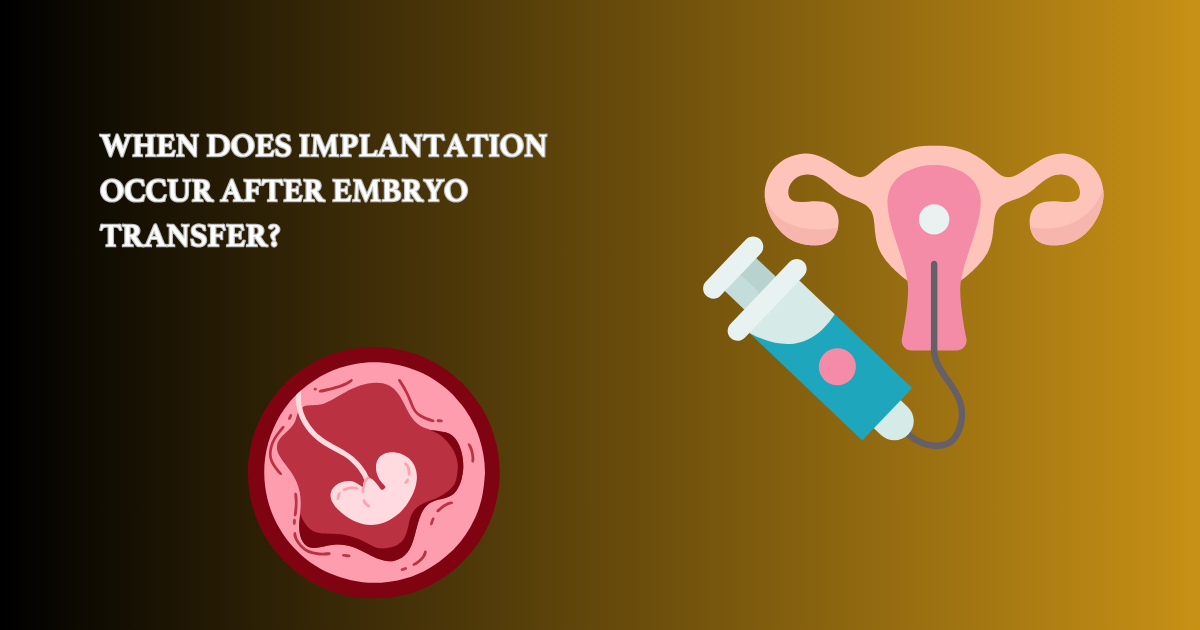
Embryo transfer (ET) is a crucial step in the in-vitro fertilization (IVF) process, marking the point when a fertilized embryo is placed into a woman's uterus with the hope of a successful pregnancy. One of the common questions couples and individuals undergoing IVF have is, "When does implantation occur after embryo transfer?" It’s a critical moment in the IVF journey, and understanding the timeline and process can help manage expectations. In this article, we'll dive into the process of implantation, its timing, and everything else you need to know.
Learn when implantation occurs after embryo transfer and how it affects your IVF journey. Find out more from the best IVF doctor in Delhi NCR.
What is Embryo Transfer?
The process of embryo transfer consists of transferring the embryos inside the uterus following fertilization been conducted in a laboratory. The process typically occurs following fertilization and retrieval of eggs and is the last step prior to waiting to determine if the pregnancy is likely to occur. The embryo is inserted into the uterus by an insignificant catheter. following that, the process of implanting commences.
Understanding Implantation
Implantation refers to the process in which embryos are attached to the uterus's lining. It's the initial step of an embryo's development, indicating that the embryo has established itself inside the mother's body. But implantation does not happen right away after the transfer of embryos. It takes a while before the embryo can move from the fallopian tube and into the uterus before it is able to encase itself within the lining of the uterine.
The IVF Process: A Quick Overview
IVF is a complicated yet widely utilized method of aiding conception. It typically involves:
Ovarian stimulation Fertility drugs are employed in order to stimulate the ovaries and produce numerous eggs.
Egg Retrieve When the eggs have matured and have been removed from the eggs' ovaries.
Fertilization Eggs are fertilized the laboratory with the sperm.
The Embryo Culture Fertile eggs are cultivated and observed.
embryo transfer The highest-quality embryos are chosen and then placed in the uterus.
Following an exchange, the implantation will be the next important stage.
Timing of Implantation After Embryo Transfer
The timing of implantation can vary depending on the individual, but usually takes place between 6 and 10 days after the transfer of embryos. In the majority of IVF cycles there is a blastocyst (a day-5 embryo) is transferred and it takes longer to implant than an embryo that was born on a day 3.
If you're thinking, "How long should I wait after embryo transfer to see if implantation has occurred?" Be aware that the process of implantation doesn't happen in a flash. It takes a few days before the embryo can bind completely in the uterine wall and pregnancy tests are able to confirm implantation once sufficient pregnancy hormones have been produced.
Signs of Successful Implantation
You might be wondering about the indicators to watch for following embryo transfer that indicates the embryo transfer is successful. Although the signs may vary, certain early signs could include:
mild cramping similar to what you feel during your menstrual cycle.
Light bleeding or spotting: Also known as implantation bleeding, it happens when the embryo is attached onto the walls of the uterine.
Fatigue You may be feeling tired and grumpy due to hormone changes.
Tenderness in the breast Progesterone levels increase frequently cause breast sensitivity.
Keep in mind that not all people experience these symptoms or symptoms, and the absence of symptoms doesn't mean that the implant hasn't taken place.
Factors Affecting Implantation Timing
A variety of factors may affect the timing and manner of implantation There are a variety of factors that can affect when and how implantation occurs, including:
Quality of the embryo The embryo's health is a major factor. The embryos that are not healthy may not implant.
Uterine Lining The strong, well-prepared the uterine lining is vital to ensure a successful implant. This is influenced by hormones such as estrogen and progesterone.
Age The older women could have longer time to implant or have lower odds of implantation success.
health conditions Certain health conditions such as endometriosis, uterine fibroids and immune diseases, could affect the implantation process.
Implantation Window: Why It Matters
"Imploment window." The "implantation window" is the period during which the lining of the uterus is the most open to embryos. It typically occurs between 6 and 10 days after the transfer of an embryo. If implantation isn't happening at this point the embryo could not be able to connect and the pregnancy may never progress.
What Happens During Implantation?
After implantation when the embryo is born, it releases signals to prompt the lining of the uterus its development. tiny finger-like structures, referred to as villi, derived from the placenta begin to develop into the liner of the uterus which is the time when pregnancy officially begins. This is a delicate process and can take many days to be completed.
How Long After Embryo Transfer Should You Wait for Implantation?
Typically, implantation begins between 6 and 10 days after the transfer. However, it could take as long as 12 days before the embryo fully implants and begin producing visible levels of the hormone hCG (human chorionic gonadotropin) which is essential to confirm the pregnancy.
Testing for Pregnancy After Implantation
Following implantation, the body begins to produce the hormone hCG which is the hormone that can be found in pregnancy tests performed at home. It is recommended to wait 10-12 days after the transfer of your embryo before you take the test, since taking it too early could result in an inaccurate negative.
Your IVF doctor might also do an hCG test (known as beta hCG test) beta hCG blood test) to verify the pregnancy level.
The Role of the Best IVF Doctor in Delhi NCR
Selecting the best IVF doctor in Delhi NCR is crucial to navigate the IVF process. A trained doctor can help you through each step of the procedure, from stimulating your Ovaries, to managing the medications, and timing the transfer of embryos to ensure the best success. They can keep track of your progress and make sure that the chances of implantation and the pregnancy is maximized.
Success Rates and What to Expect
The success of embryoimplantation is dependent on many variables, including:
Embryo quality
Women's age
Environment of the uterine
Expertise of a doctor
While the success rate can differ depending on the doctor you choose, selecting the most effective IVF physician located in Delhi NCR can significantly improve your odds of success.
When to Seek Help If Implantation Doesn’t Occur
Some IVF cycles will result in successful implanting. If your embryo isn't able to implant, your doctor might think about alternative methods or further tests. It is essential to speak the fertility expert about the next steps.
Mental and Emotional Support During IVF
The process of IVF can be a stressful experience, particularly when implantation isn't successful. Getting emotional support from family members or counselors or support groups may help ease the anxiety and stress that could occur during this period.
Conclusion: Navigating the IVF Journey
Knowing when implantation takes place following transfer of embryos helps you establish realistic expectations throughout the IVF journey. While the process may be fraught with doubt but with the proper guidance and support, your likelihood of success could be enhanced. Always consult your fertility expert, and take note of your emotional health throughout this challenging, yet rewarding journey.
FAQs
1. When does implantation happen after embryo transfer?Implantation typically occurs 6 to 10 days after embryo transfer, depending on the embryo's quality and other factors.
2. How can I tell whether implantation is successful? Signs such as light cramping, spotting and tender breasts could indicate implantation, however one way to verify is by a blood test to determine if you are pregnant.
3. What influences impact the timing of implantation? Factors like the condition of the embryo as well as the size of the uterine lining and age circumstances can impact the time of implantation.
4. Does implantation fail? Yes, it may fail due to poor embryo quality and an insufficient uterine lining or any other medical condition. It is crucial to check in with your doctor who is an IVF specialist when implantation isn't happening.
5. How long do I have to be patient before taking a pregnancy test following embryo transfer? It's recommended to wait 10 to 12 days after embryo transfer before conducting a pregnancy test in order to prevent false negatives.


