Understanding Uterine Fibroids: Causes
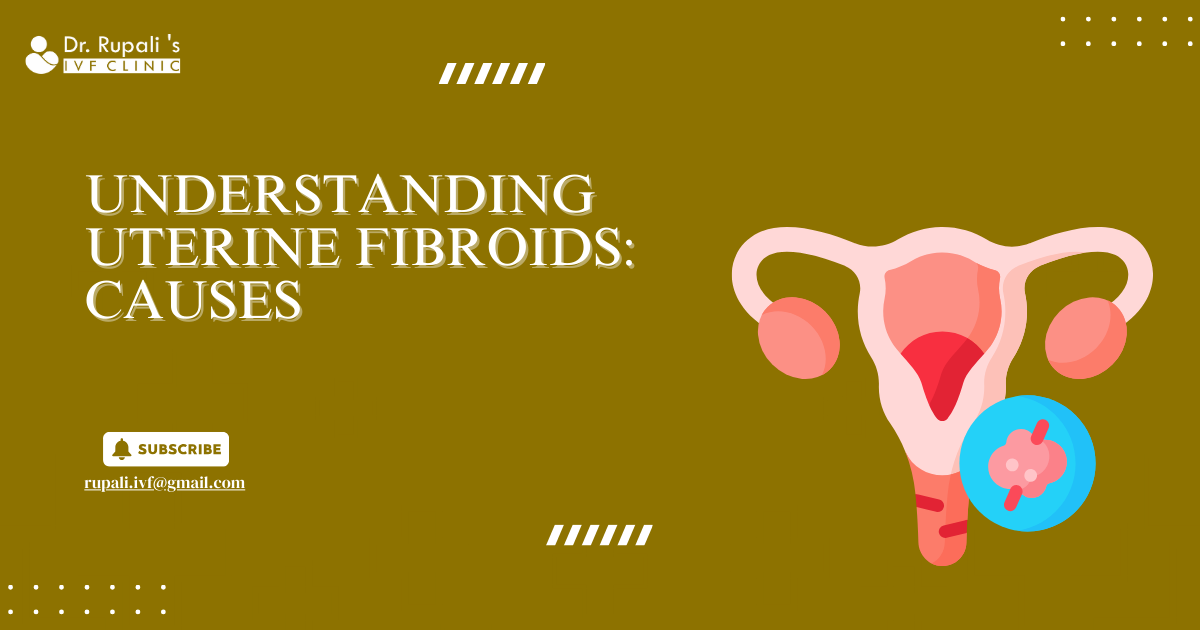
Uterine fibroids are a frequent health problem that a lot of women are faced with, yet they are often not diagnosed or are misunderstood. These benign tumors within the uterus may cause number of symptoms, which range from minor discomfort to serious complications. Understanding the causes of uterine fibroids and their causes, as well as how they impact the body is essential to treating them properly. This article we'll look into uterine fibroids more deeply and help you to better comprehend this condition and its relationship to fertility.
How to Find the Best IVF Doctor for Fibroid-Related Issues?
If you are seeking treatment for fertility issues related to fibroid Finding the best fertility doctor is crucial. A skilled fertility specialist can assess your particular circumstance and recommend the most efficient treatment strategy. Choose a doctor with an established track record of success in treating fibroid-related problems with fertility and also one who listens to the concerns of your patients and gives personal attention.
What Are Uterine Fibroids?
Uterine fibroids, often referred to as leiomyomas are harmless (non-cancerous) tumors that develop within the muscle walls of the uterus. The growths can range in size and range from the size of peas, to as large as the size of a melons. While they're generally not painful but they can result in complications for example, excessive bleeding, pelvic pain or pregnancy-related issues.
Types of Uterine Fibroids
Fibroids may be present in several parts of the uterus which can lead to different types of uterus:
Submucosal Fibroids These can be found below the uterine lining. They can lead to heavy bleeding and discomfort during the course of pregnancy.
Intramural Fibroids They grow inside the uterine wall, and are the most prevalent kind.
Subserosal fibroids: They are found on the outside part of the uterus. these fibroids can cause pressure and pain in the pelvis.
Knowing the nature of fibroid is crucial to finding the best treatment.
How Common Are Uterine Fibroids?
Uterine fibroids are extremely prevalent and can affect as high as 70-80 percent of women by the age of 50. But, many women might not even be aware that they have fibroids as they may be unaffected. Women in their 40s and 30s tend to be more susceptible to developing them.
Symptoms of Uterine Fibroids
The majority of fibroids don't cause any noticeable symptoms however, those that cause symptoms vary from mild to serious. The most frequent symptoms of uterine fibroids include:
Menstrual bleeding that is heavy or periods that last longer
Pelvic discomfort or pressure
Frequent urination
Pain during intercourse
Back leg pain and leg pain
If you experience any of these signs, it's essential to talk with an expert in healthcare for a appropriate assessment.
What Causes Uterine Fibroids?
The precise causes of uterine fibroids remain unknown, however a variety of factors are believed to be contributing to their growth. They include:
Genetic Factors in Uterine Fibroids
Studies have revealed that if fibroids are a part of your family, you're at greater risk of becoming a victim. Genetic mutations could result in changes to the cells of smooth muscles in the uterus, resulting in the formation of fibroids.
Hormonal Influence on Uterine Fibroids
Hormones such as estrogen and progesterone which regulate menstrual cycle, may encourage an increase in fibroids. These hormones cause the fibroid cells to increase in size especially during the reproductive years.
Impact of Age on Uterine Fibroids
With ageing women, particularly in their 40s and 30s the frequency of fibroids increases. The decrease in the fertility rate and changes in hormones that come with menopausal change can affect the appearance or severity of fibroids. However, they still pose problems in the reproductive years.
Can Uterine Fibroids Affect Pregnancy?
The presence of fibroids can affect the fetus by causing complications, like:
Misscarriage Certain studies have connected submucosal fibroids with an higher chance of miscarriage.
The preterm baby: Fibroids can lead to premature birth in a few instances.
difficult labor Based on the size of their tumors and location fibroids can block the birth canal.
If you're looking to become pregnant and are suffering from fibroids, you must talk to a healthcare professional who is an expert, such as the IVF doctor to determine your risk and options for treatment.
Treatment Options for Uterine Fibroids
If fibroids are causing severe symptoms, there are a variety of treatments readily available. They include:
Medicines: Hormonal treatments like birth control and GnRH agonists can shrink fibroids and ease symptoms.
Surgery Alternatives: For some instances surgical intervention may be required to remove fibroids. The procedure known as myomectomy (removal of fibroids) is an option, and Hysterectomy (removal from the uterus) is a different option for more severe cases.
Minimally Invasive Procedures Uterine artery embolization as well as MRI-guided focused ultrasound are the latest options to treat fibroids in a short period of time.
The Role of IVF in Managing Fibroids
In certain cases fibroids may interfere with fertility which makes pregnancy more challenging. If you suffer from fibroids and are unable to become pregnant and want to try IVF (in vitro fertilization) could be a viable option. Talking to the Best IVF Doctor in Delhi can determine whether IVF is a good choice for your needs and how fibroids could influence the chance of being successful.
IVF treatments may be suggested when fibroids are blocking the fallopian tubes, or are affecting the uterine lining, which may hinder the embryo from being implanted.
When to See a Doctor About Uterine Fibroids?
It is essential to consult an experienced doctor if you have any of these symptoms:
Menstrual bleeding that is heavy
Severe pelvic pain
Intercourse that is painful
The difficulty of conceiving
Your doctor will conduct tests of imaging like ultrasounds to determine whether you have fibroids. The doctor will then determine the best course of procedure for treatment.
Preventing Uterine Fibroids
While it isn't possible to completely prevent fibroids completely, making certain choices could reduce your risk. Being healthy and an appropriate diet and working out regularly could assist. Stress management and avoiding toxins from the environment could help in preventing the growth of fibroids.
Life in Uterine Fibroids
If you've discovered that you have uterine fibroids you're still able to lead an active and healthy life. A lot of women suffering from fibroids get pregnant successfully pregnancy, but it is important to check your condition frequently. Lifestyle changes, like diet and exercise, may aid in managing symptoms. Additionally, regular consultations with your doctor are crucial.
Conclusion
Uterine fibroids are an extremely common and, in most cases, manageable condition however they may result in significant discomfort or complications especially for women who are trying to get pregnant. Knowing the causes and signs is essential to tackling fibroids and avoiding further problems. If you're experiencing issues with fertility and fibroids seeking help from a healthcare doctor or the IVF doctor will help you determine the best treatment options. With the right treatment many women suffering from fibroids in the uterus get pregnant successfully and live happy lives.
FAQs
1. Yes the uterine fibroids may affect fertility, especially in the case of large ones or situated near the fallopian tubes, the lining of the uterine cavity or the cervix.
2. How can you tell the presence of uterine fibroids are usually diagnosed with pelvic exams, ultrasounds or MRIs. If you are experiencing heavy fluid or pelvic discomfort, you should consult your physician.
3. Are fibroids shrinking on their own? Yes fibroids could shrink following menopausal hormonal changes, but this isn't always the case for each woman.
4. Is surgery the only solution for uterine fibroids? No, surgery is only one alternative. Lifestyle changes, medications and minimally invasive treatments are also effective in treating fibroids.
5. Are women with fibroids able to be pregnant normally? Yes most women with fibroids are able to have healthy pregnancy but fibroids could increase the risk of complications which is why a careful monitoring is necessary.


