Pregnancy Testing During the IVF Process
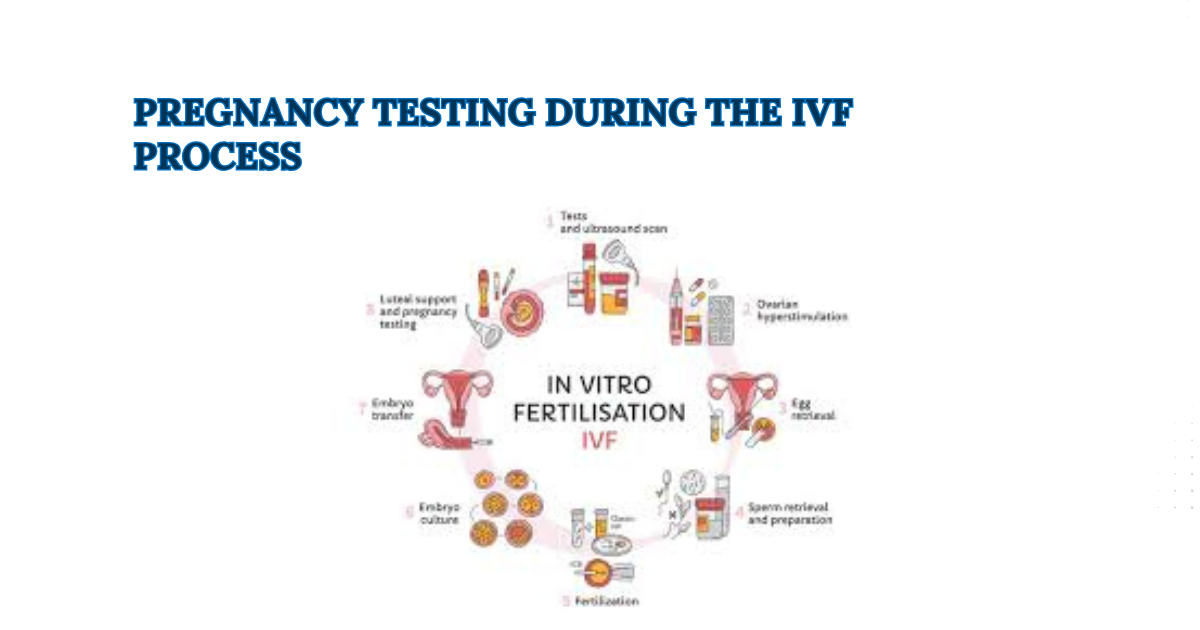
When embarking on the IVF (in vitro fertilization) journey, one of the most emotional and nerve-wracking moments is the pregnancy test. Whether you are on your first IVF attempt or have been through the process before, the final step — waiting for the pregnancy test results — can feel like an eternity. But understanding what to expect during the pregnancy testing phase of IVF can help ease your anxiety and provide you with the clarity you need.
In this article, we will explore the process of pregnancy testing during IVF, how it works, and why it’s an essential part of the IVF process. If you are in Delhi and searching for the best IVF doctor in Delhi, this guide can also help you make informed decisions about your fertility treatment .
Understanding IVF
IVF, also known as in-vitro fertilization, is a well-known fertility treatment that involves eggs are fertilized outside of the body, in a laboratory, and the embryo is transferred to the uterus. It is a complex process that requires careful monitoring, medications and precise timing. A lot of couples opt for IVF after other fertility treatments haven't been successful, or when there are problems that prevent natural conception.
IVF has been a source of hope for couples struggling to get pregnant and testing for pregnancy is a crucial process to determine the success. Let's examine why pregnancy testing is so crucial during the procedure.
The Importance of Pregnancy Testing in IVF
Testing for pregnancy is a crucial component of the IVF procedure since it helps determine whether the embryo is successfully implanted in the uterine the lining. The pregnancy test can help IVF doctors assess the effectiveness of the procedure. It also gives crucial information regarding the next steps of your journey to fertility.
A pregnancy test positive means that the implantation process has taken place which means that the baby is a possibility A negative test indicates that further action is required to resolve any concerns.
When is the Pregnancy Test Done in IVF?
Following the transfer of an embryo The most important concern that people face is When can I do an embryo test?
Typically the pregnancy test is performed within 10 to 14 days after the transfer of the embryo. This time frame is vital as it allows the body time to make human chorionic Gonadotropin (hCG) the hormone that is detected in urine and blood after the implantation.
It is crucial to wait the recommended period of time prior to taking the test in order to ensure the accuracy. If you test too early, it could cause an inaccurate negative as the levels of hCG may not have reached levels that can be detected at this point.
Types of Pregnancy Tests Used in IVF
There are two kinds test for pregnancy that could be used in the IVF procedure such as urine and blood tests.
Blood Tests
Tests for blood are the only reliable method to determine if you are pregnant after IVF. These tests can detect levels of hCG in the bloodstream. They increase when the embryo is implanted within the uterus.
There are two kinds that blood tests can be performed:
Quality hCG test This test is a simple way to confirm whether or not you're pregnant.
Quantitative hCG Test This test determines exactly how much hCG is present found in the blood. The test provides more information about the quality and safety in the case of pregnancy.
Urine Tests
Tests for pregnancy in urine are widely utilized in private settings However, they are less accurate than blood tests. Urine tests detect whether hCG is present within the urine of your child and gives you a warning sign of the pregnancy.
However the urine tests are usually not utilized in IVF because they aren't as precise, and doctors would rather the use of blood tests to confirm the results.
How Do IVF Pregnancy Tests Work?
The main hormone that determines pregnancy is the hormone hCG (human Gonadotropin chorionic), which is produced by the placenta following an egg fertilized implants inside the uterine liner. IVF tests for pregnancy detect the levels of hCG to determine if the pregnancy is occurring.
The Blood Test In the event that you've had the IVF blood test Your doctor will look for levels of hCG. If they are increasing this indicates that your pregnancy is proceeding normally.
Urine Test There are instances where the urine test can be performed on your own or at a medical clinic. However, it's uncommon in IVF because of its lower sensitivities.
What to Expect During the Pregnancy Test
The wait for your pregnancy test results is an emotional time. It is possible to feel anxious and even nervous. When you undergo the procedure, it is possible that you could be required to visit the fertility clinic, where the blood sample is taken. The procedure is generally fast and does not cause any discomfort.
The Waiting Game
Once the test has been completed after the test is completed, you must sit and wait to see the test results. The doctor will usually call you within 24 to 48 hours to let you know the results of your test. The waiting time can feel like a long time, but it's important to keep in mind that your test results will be only one element of the entire process.
Early Signs of Pregnancy After IVF
In the meantime, while waiting for the result of the pregnancy test, lots of people search for early indications of the possibility of pregnancy. The early signs of pregnancy following IVF could include:
The breasts are soft
Fatigue
Nausea
A mild cramping (similar to cramps during menstrual cycles)
Light Spot
But, these signs could be triggered by IVF medication or by other causes therefore they aren't necessarily indicators of pregnancy.
Why Blood Tests are Preferred Over Urine Tests
It is generally recommended to use blood tests for IVF because they are more reliable and sensitive in comparison to urine tests. The blood tests can identify pregnancy earlier and provide more precise the levels of hCG. This allows doctors to keep an eye on the progress of pregnancy.
Furthermore, blood tests offer quantitative information, providing doctors with an insight into the condition of the pregnancy. Likewise, urine tests only confirm the presence or absence of hCG.
What Happens If the IVF Pregnancy Test Is Negative?
A pregnancy test that is negative following IVF is a heartbreaking experience. If the test results are negative, it indicates that the embryo didn't develop or the pregnancy cannot be sustained. But, a negative test result does not necessarily mean that you've ended your journey to fertility.
In certain instances an unfavorable result could be followed by further testing or treatment. It is essential to talk with your doctor about the next steps and think about possibilities such as trying IVF once more or investigating other options for fertility treatment.
What Happens If the IVF Pregnancy Test Is Positive?
In the event that the pregnancy test results are positive, it's a time of joy and happiness, but it also signifies the beginning of an exciting new chapter. Following an hCG test that is positive the doctor will be monitoring the levels of hCG, and will schedule further tests, like ultrasounds to confirm the pregnancy and determine the progress of the pregnancy.
In many instances doctors will make sure that hCG levels rise at a suitable rate in the first few days to verify the pregnancy is healthy.
Dealing with the Emotional Roller Coaster
The emotional process that comes with IVF can be a tense experience. If the outcome is positive or negative, it could be a rollercoaster of emotions. The support of your loved ones as well as expert counseling can assist you in coping with the anxiety, stress and hope that come with the IVF procedure.
How Long After IVF Should You Wait for a Pregnancy Test?
It's crucial to wait between 10 and 14 days after the transfer of an embryo before conducting an pregnancy test. This ensures the accuracy of testing and makes sure that the levels of hCG are sufficient to detect.
Common Myths About IVF Pregnancy Testing
There are a myriad of myths surrounding IVF pregnancy tests that could cause confusion:
Myth 1. It is possible to detect pregnancy early. In the real world, testing too early could result in inaccurate negative findings.
Myth 2. Tests for urine are accurate in IVF. The tests for blood are much more reliable in IVF test for pregnancy.
Myth 3: IVF guarantees pregnancy. While IVF can increase the odds of success but it's not guaranteed.
How the Best IVF Doctor in Delhi Can Help You
Selecting the best ivf doctor in Delhi is vital to maximising the chance of success. A skilled IVF specialist can guide you through the entire process from monitoring ovulation, to conducting pregnancy tests and giving emotional assistance. If you live living in Delhi and are looking for the most effective IVF specialist will make a huge difference to achieving your goal of becoming a parent.
Key Takeaways and Conclusion
The testing of pregnancy during the IVF process is an important step to determine if the treatment is successful. Knowing the method and the timing that the testing takes place, along with the different kinds of tests, will help you control your expectations and lessen anxiety. If the results are either positive or not, keep in mind the fact that IVF is a long-distance journey and you can get help at any time.
FAQs
1. What time can I conduct pregnancy tests after IVF? You must wait between 10 and 14 days following your embryo transfer to ensure the most precise results.
2. What is the reason why a blood test is preferable over urine tests in IVF? Blood tests have greater sensitivity and give exact information on hCG levels and are therefore more efficient over urine testing.
3. What happens if what if my IVF pregnancy test is not positive? A positive result could indicate that the embryo was not implanted However, there are other actions to discuss with your physician, which could include exploring IVF again.
4. What is the earliest time I can begin to notice signs of pregnancy after IVF? signs of pregnancy may be detected within a few days after the transfer of embryos, however they could result from IVF drugs.
5. Does IVF guarantee a positive pregnancy?No, even though IVF may increase the chance of having a baby however, it is not a assurance. The success rate depends on a variety of aspects like health, age, as well as how well the embryos are developed.


