Fallopian Tube Cancer
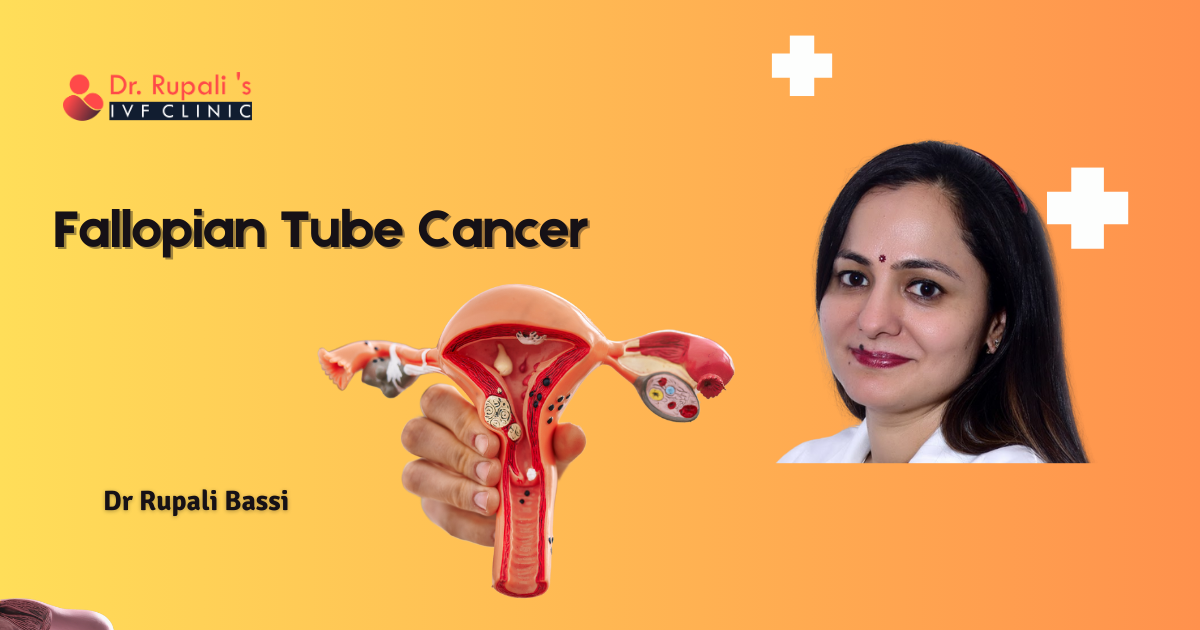
Fallopian tube cancer, although rare, can be an overwhelming diagnosis for women. It’s essential to understand its causes, symptoms, diagnosis, and the various treatment options available. This article will guide you through the key facts about fallopian tube cancer, and help you make informed decisions about treatment, including considering the best IVF centre in Delhi NCR
Find best IUI doctor in Delhi for related fertility issues. Whether you’re directly impacted or simply seeking knowledge, this piece will provide valuable insights to help you navigate this condition.
What is Fallopian Tube Cancer?
The fallopian tube cancer is a kind of cancer that develops in the fallopian tube, which connect the uterus to the ovaries. It is a rare cancer and is usually diagnosed at the end of its stages. It is easy to misinterpret the symptoms with different, more normal problems with gynecology This is the reason it is so difficult to detect early. With the advancement of medical technologies and treatment options, the chances of women who have been diagnosed with this cancer has improved over the years.
Causes and Risk Factors of Fallopian Tube Cancer
Like many other cancers, the precise nature of the fallopian tube cancer is not known. However, a variety of risk factors can increase the risk of it developing. They include:
Age 50 and above: Women who are or more are at greater risk of developing a disease, particularly following menopausal.
family history If you've got an breast, ovarian or fallopian tube tumors, you could be more at risk.
Inherited Genetic Mutations BRCA1 and the BRCA2 gene mutations that can also be linked to breast cancer, could make it more likely for fallingopian tube cancer.
IVF or Infertility Treatment Certain reports suggest that those who undergo fertility treatments like IVF (IVF) might be at slightly greater risk.
Understanding your family's medical history and addressing any concerns with your doctor can help you manage risk factors.
Symptoms to Watch Out For
The signs and symptoms of fallopian tubes cancer are often vague and easy to be mistaken for other gynecological conditions. Some of the signs that are common are:
abdominal and Pelvic Pain The pain within the abdomen area is a common complaint.
Unusual Vaginal bleeding Postmenopausal bleeding or bleeding during periods could be an indication of trouble.
Swelling and bloating Consistent bloating and an feeling of fullness in the abdomen are frequently described.
Trouble eating or feeling full fast It can happen due to cancer that affects abdomen organs.
Frequent Uterine leaks The pressure on the bladder may cause this symptom.
In the event that any of these signs manifest it's crucial to speak with an expert in healthcare for further examination.
How is Fallopian Tube Cancer Diagnosed?
Finding out if you have cancer of the fallopian tubes isn't easy because of its resemblance to other illnesses. Doctors generally perform a variety test to verify the diagnosis.
Pelvic Exam: A thorough physical examination to look for any abnormalities or abdominal swelling.
Ultrasound An transvaginal or abdominal ultrasound can be used to detect unusual growths within the tubes of fallopian.
CT scan or MRI These imaging tests offer a clear image of the internal organs and check for indications of cancer spreading.
Biopsy A sample of tissue that is taken from the fallopian tubes or its surrounding region is examined under microscopes to determine if cancer has occurred.
Treatment Options for Fallopian Tube Cancer
Treatment for cancer of the fallopian tubes generally includes the combination of chemotherapy, surgery, and, sometimes, radiation therapy. The treatment method is based upon the severity of cancer as well as the overall health of the patient.
Surgical Treatment for Fallopian Tube Cancer
The most effective treatment for cancer of the fallopian tube is surgery. The objective is to eliminate the cancerous tissues, which can involve the removal of the fallopian tube, ovaries, or even the uterus. In certain instances there are also lymph nodes that can be removed in order to test for cancer's spread.
Chemotherapy and Radiation Therapy
Chemotherapy is usually used following surgery to kill the cancerous cells that remain and stop recurrence. It involves the use of medications to eliminate cancerous cells from the body. It is used in some instances to treat cancer that is localized or when chemotherapy alone isn't enough.
Fertility After Treatment for Fallopian Tube Cancer
One of the most significant issues for women who have been diagnosed with cancer of the fallopian tube is the impact it has on fertility. Because the fallopian tubes are essential for conception, treatment usually causes the inability to conceive. But, based on the degree of procedure options for fertility preservation may be offered, such as:
Egg Freezing Women may opt the option of freezing eggs ahead of treatment in order to try pregnancy later.
Surrogacy or adoption For certain women, adoption or surrogacy could be the best choice to create a family following treatment for cancer.
If you're concerned over your fertility talking to an expert at the most reputable IVF center located in Delhi NCR or seeking advice from the most reputable IUI specialist located in Delhi is vital to look into your options.
The Link Between Fallopian Tube Cancer and Infertility
The fallopian tube cancer is usually connected to infertility as a result of the elimination of fallopian tubes, also known as the ovaries. Although women can undergo an effective treatment for cancer, the effects on reproductive health may be substantial. For women who want to have children after treatment assisted reproductive technology (ART) like IVF or IUI might be suggested.
Best IVF Centres in Delhi NCR for Fertility Treatment
For women who are experiencing infertility following treatment for cancer of the fallopian tube and are looking for the most effective IVF center within Delhi NCR is crucial. These centres offer the latest fertility treatments, such as IVF, IUI, and egg freezing. They offer various options for women looking be mothers.
They typically offer individualized treatment, making sure that the individual needs of each patient are met. The doctors at these clinics are aware of the medical and emotional complexities associated with fertility treatments following cancer and provide compassionate support all the way.
How the Best IUI Doctor in Delhi Can Help
When you've found yourself diagnosed with cancer of the fallopian tube and are contemplating fertility treatments, consulting the most effective IUI specialist in Delhi could be an essential step. Intrauterine IUI (IUI) is an infertility treatment that involves the direct placement of sperm into the uterus in order to increase the likelihood of having a baby. A expert IUI doctor will evaluate your medical background, fertility goals and treatment for cancer to suggest the best fertility strategy for your particular situation.
The role of support Systems for Coping with Cancer
Fighting fallopian tube cancer isn't just an emotional and physical experience, but also an emotional one as well. A strong community of supporters can create a big difference in the way you face the rigors of cancer treatment. This includes your family, friends and cancer support groups and healthcare professionals who provide emotional and psychological assistance during treatment and recuperation.
Live in Fallopian Tube Cancer: What to Expect
After treatment, patients with fallopian tubes cancer can be affected by emotional and physical changes. The treatment of these changes is a continuous process that involves regular checks and follow-ups that monitor for any recurrence. Many survivors find relief by forming bonds with other women who have experienced similar situations, providing mutual assistance.
Can Fallopian Tube Cancer Be Prevented?
There aren't certain methods to avoid fallopian tubes cancer. But, knowing your risk factors and performing regular gynecological checks will help detect the disease earlier, increasing your chances of getting a being successful in treating it. If you're considering fertility treatment such as IVF or IUI seeking advice from specialists at the top IVF clinic within Delhi NCR or best IUI doctor in Delhi will provide more information regarding the health of your reproductive system.
Conclusion Moving Forward with Knowledge and Hope
The cancer of the fallopian tube is a very serious condition, but with early detection treatment and support many women are able to live a full life. For women who are who are affected by infertility There are fertility treatment options offered at the most reputable IVF center located in Delhi NCR and with the most effective IUI physician within Delhi in order to assist you you realize your desire to become a mom. Be assured that you're not on your own There are medical experts and support groups to help you with each step.
Frequently Asked Questions
1. What are the signs early of cancer of the fallopian tube?
The first symptoms of cancer of the fallopian tube may be vague, such as stomach pains, constipation and vaginal bleeding that is unusual. Consult a physician for any persisting symptoms.
2. Do I have the ability to conceive after treatment for cancer of the fallopian tube?
It's contingent upon the nature of your surgery and the type of treatment. The options for fertility preservation like IVF or freezing eggs could give you a chance to get pregnant following treatment.
3. Are there any popular treatment options for cancer of the fallopian tubes?
The typical treatment involves chemotherapy, surgery and radiation. The specific treatment plan will depend on the stage at which cancer has developed.
4. What is the best way to make IVF perform for women suffering from cancer of the fallopian tube?
IVF is a great option for women who have been through procedures such as surgery for Fallopian Tube Cancer. IVF involves taking eggs from ovaries and fertilizing them outside of the body, eliminating the need for fallopian tubes.
5. What is the most effective way to avoid the development of cancer in the fallopian tube?
Although there's no way to guarantee to protect yourself from fallopian tubes cancer, frequent screenings and a thorough understanding of the risk factors you face can aid in identifying the condition earlier for better outcomes.


